
Why Are Your Car Wheels Turning Brown? Brake Dust, Road Grime & Wheel Cleaning in Houston
- Home
- Car Care Tips
- Why Are Your Car Wheels Turning Brown? Brake Dust, Road Grime & Wheel Cleaning in Houston
Published: November 6, 2026 | Category: Car Care Tips | 6 Minute Read
You wash your car, and it looks great — except for the wheels. Within days, they start turning brown or dark again. If this sounds familiar, you’re not alone. Brake dust and everyday road grime can build up quickly, making your wheels look dirty even when the rest of your vehicle is clean.
For drivers in Houston, frequent traffic, stop-and-go driving, and everyday road conditions can make wheel buildup especially noticeable. Understanding what causes it and how to clean your wheels properly can help keep your vehicle looking its best.
What Is Brake Dust?
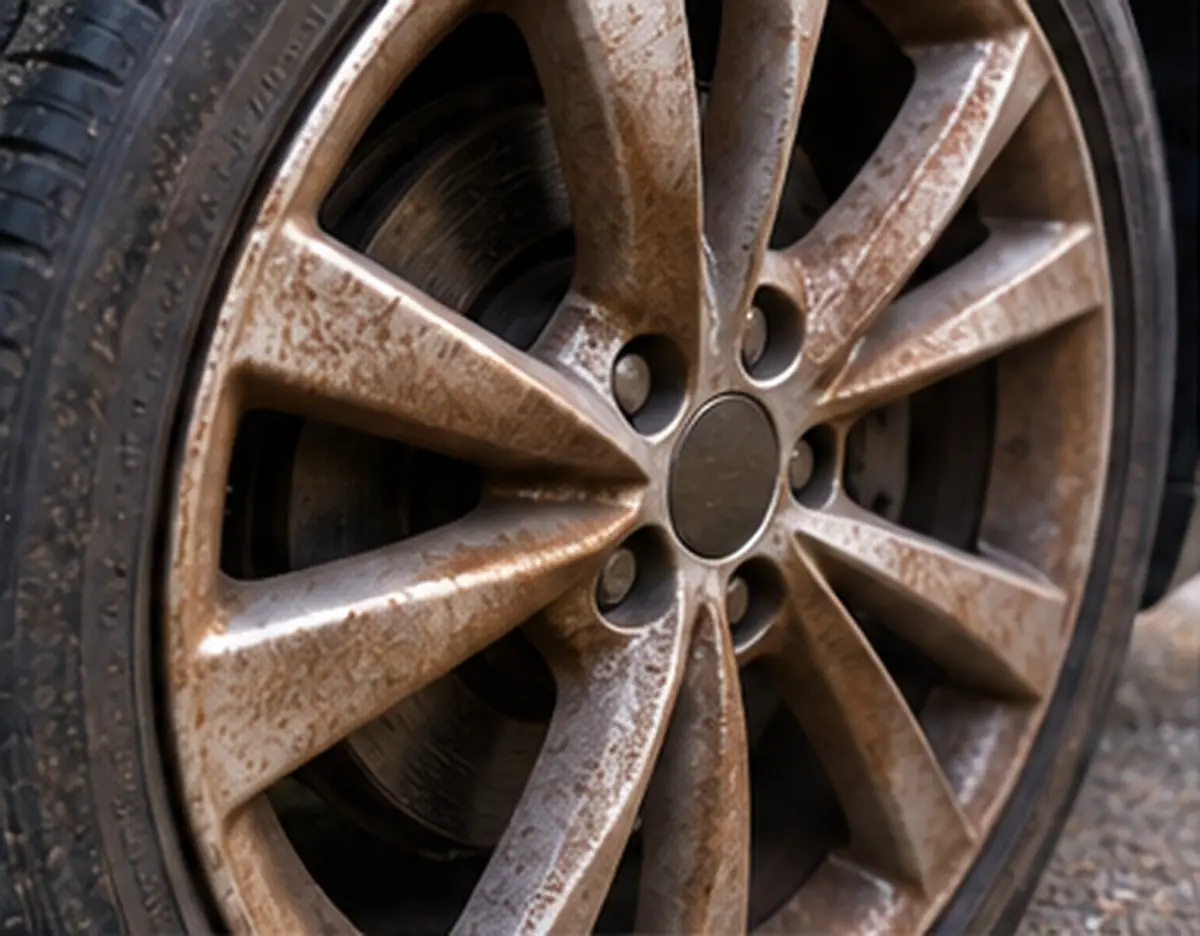
Brake dust is a fine residue created during normal braking. As brake pads press against the rotors to slow your vehicle, tiny particles from the braking components are released. These particles can settle on your wheels and create gray, brown, or black buildup.
Brake dust is a normal result of driving, but allowing it to accumulate for long periods can make it more difficult to remove.
Why Do Car Wheels Turn Brown?
Several types of contaminants can contribute to brown or dark-looking wheels:
- Brake dust: Fine particles from braking that collect on wheel surfaces.
- Road grime: Dirt, oil, and debris picked up during everyday driving.
- Iron contamination: Small metal particles that can become embedded in wheel surfaces.
- Environmental buildup: Dust and other contaminants that accumulate over time.
These contaminants can combine and create a stubborn film that ordinary washing may not completely remove.
Why Houston Drivers Notice Wheel BuildupDaily commuting, frequent braking, road construction and outdoor driving can all contribute to dirt and brake dust accumulating on your wheels. Regular cleaning helps prevent excessive buildup.
Brake Dust vs. Ordinary Road Dirt
Although they can look similar, brake dust and ordinary road dirt are different.
Road dirt is generally a mixture of dust, mud, oil, and environmental debris. Brake dust contains particles released during braking that can adhere more stubbornly to wheel surfaces.
If your wheels remain brown or dark after a regular car wash, they may need dedicated wheel cleaning rather than another ordinary rinse.
How to Clean Your Wheels Safely
Proper wheel cleaning requires the right products and techniques. Follow these steps to help protect your wheel finish:
- Let the wheels cool: Avoid applying cleaning products to hot wheels or brakes.
- Rinse first: Remove loose dirt and debris with water.
- Use a wheel-safe cleaner: Choose a product specifically labeled as safe for your wheel finish.
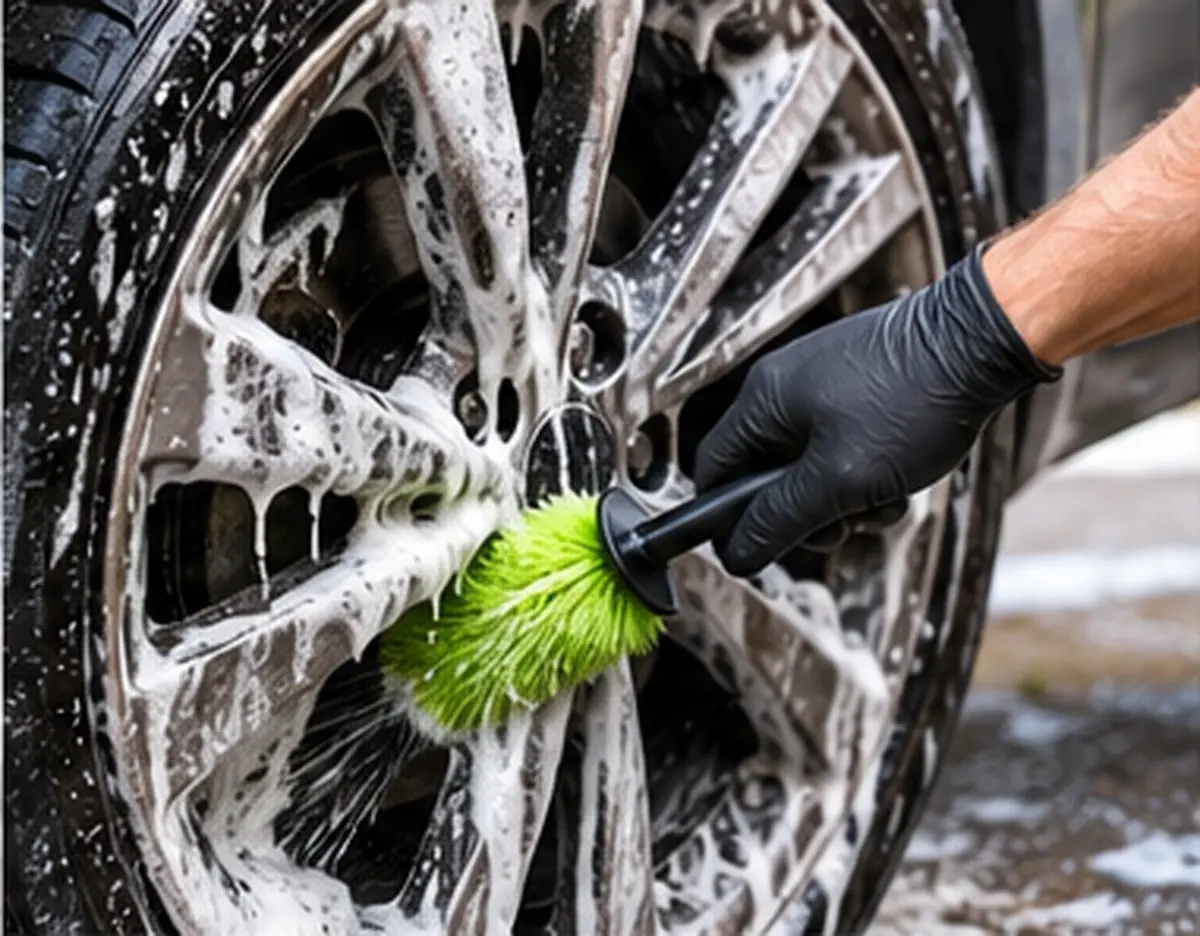
- Clean gently: Use a soft wheel brush to reach between spokes and around the wheel face.
- Rinse thoroughly: Remove all loosened dirt and cleaning residue.
- Dry the wheels: Use a clean microfiber towel to help prevent water spots.
Common Wheel-Cleaning Mistakes to Avoid
Using the wrong cleaning products or tools can damage certain wheel finishes. Avoid these common mistakes:
- Using household cleaners that are not designed for automotive wheels.
- Using harsh or acidic products without confirming they are safe for the wheel finish.
- Scrubbing with rough brushes or abrasive pads.
- Cleaning hot wheels.
- Allowing cleaning chemicals to dry on the surface.
- Ignoring buildup around the spokes and inner wheel barrel.
Always check that your wheel cleaner is compatible with your wheel finish. Painted, polished, chrome and aftermarket wheels may require different products and cleaning methods.
Why Proper Rinsing Matters
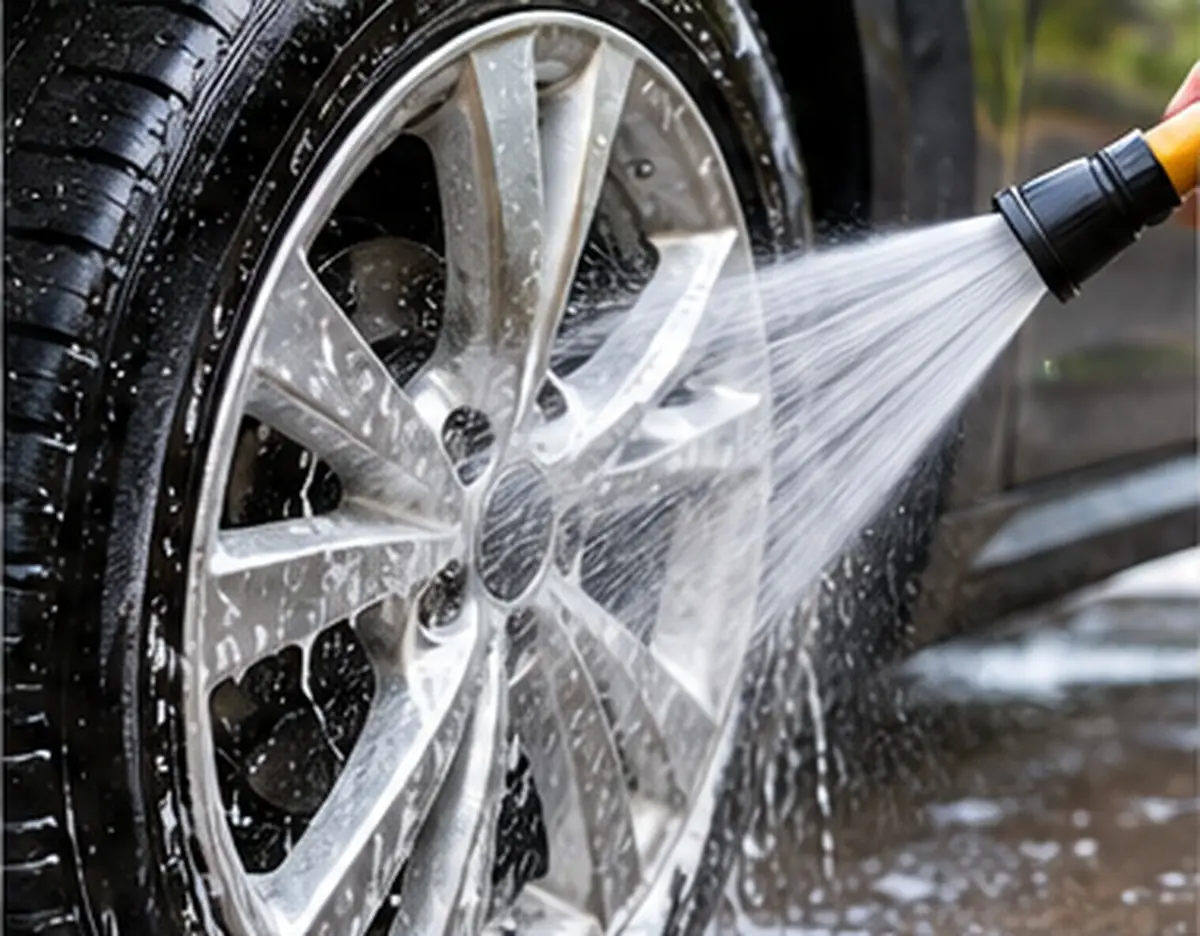
After loosening brake dust and road grime, it is important to rinse the wheel thoroughly. Remaining cleaning product or loosened contaminants can leave spots or residue behind.
How Often Should You Clean Your Wheels?
For most drivers, cleaning the wheels every two to four weeks is a reasonable starting point. However, the ideal frequency depends on your driving habits, brake pad materials, road conditions, and how quickly buildup develops.
You may need more frequent cleaning if:
- You drive in heavy stop-and-go traffic.
- You notice visible brake dust accumulating quickly.
- You regularly drive through construction areas or dusty roads.
- You want to maintain the appearance of polished or detailed wheels.
Regular vehicle maintenance also makes a difference. Read our guide on how often you should wash your car in Houston.
What Professional Wheel Cleaning Includes at Brio
At Brio Hand Car Wash & Detail – Spring Branch, we understand that clean wheels make a major difference in the overall appearance of a vehicle.
Our hand-wash and detailing services give attention to the exterior of your vehicle, including its wheels and tires. For more intensive cleaning needs, ask our team about the appropriate service for your vehicle and wheel condition.
Whether you need regular exterior maintenance or a more complete inside-and-out service, you can compare our car wash and detailing packages to find the right option.
Frequently Asked Questions About Brake Dust and Wheel Cleaning
Is brake dust harmful to my wheels?
Brake dust can become difficult to remove when it accumulates. Depending on the wheel finish and contaminants involved, prolonged buildup may contribute to staining or surface damage.
Will a regular car wash remove brake dust?
A regular wash can remove loose surface dirt and some brake dust. More stubborn buildup may require dedicated wheel-cleaning products and tools.
Can brown wheels be restored to their original appearance?
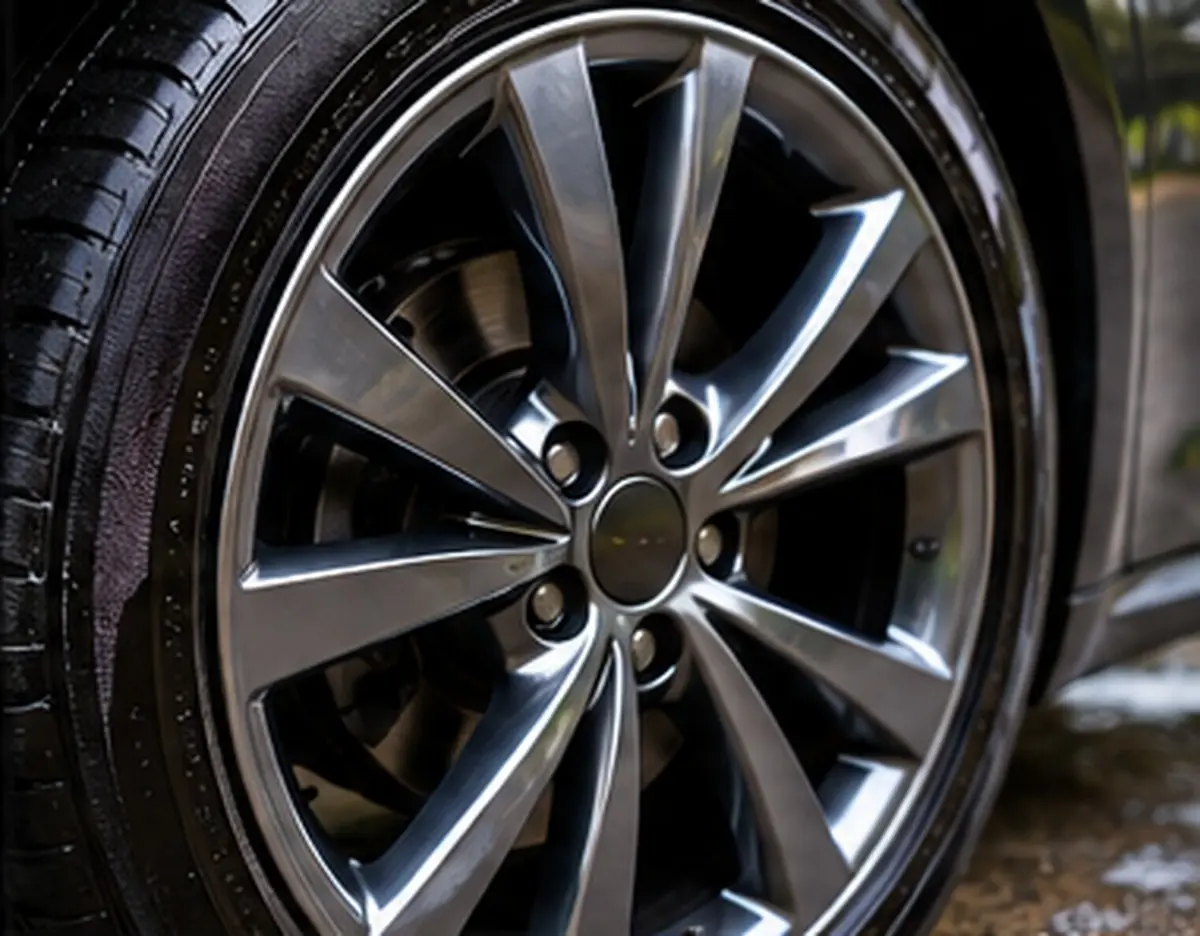
Often, proper cleaning can significantly improve their appearance. However, corrosion, damaged clear coat, and permanent staining may require additional treatment or refinishing.
Can all types of wheels be cleaned the same way?
No. Different finishes, including painted, polished, chrome, and aftermarket wheels, can have different cleaning requirements. Always use products and techniques suitable for the specific finish.
Does wheel cleaning need to be done every time I wash my car?
Regular wheel cleaning helps prevent excessive buildup. The frequency depends on your driving conditions and how quickly brake dust accumulates.
Keep Your Wheels Looking Their Best with Brio
Clean wheels can make a noticeable difference in the appearance of your vehicle. Regular maintenance helps prevent excessive brake dust and road grime from building up and keeps your car looking well cared for.
Whether you need a regular hand car wash, Wash + Wax, or a more complete detailing service, Brio Hand Car Wash & Detail – Spring Branch is ready to help.
Keep Your Wheels Looking Their Best
Give your vehicle the attention it deserves. Visit Brio for professional hand washing and detailing in Spring Branch, Houston.
Visit Brio Hand Car Wash & Detail – Spring Branch
Address:
2036 Wirt Rd
Houston, TX 77055
Phone: (832) 649-7626
Hours:
Monday–Saturday: 8:00 AM–6:30 PM
Sunday: 8:00 AM–6:00 PM
Wash with Brio. Real Hands. Real Shine.